August 25, 2012

FROM ERMOU STREET TO THE MACEDONIAN FRONT


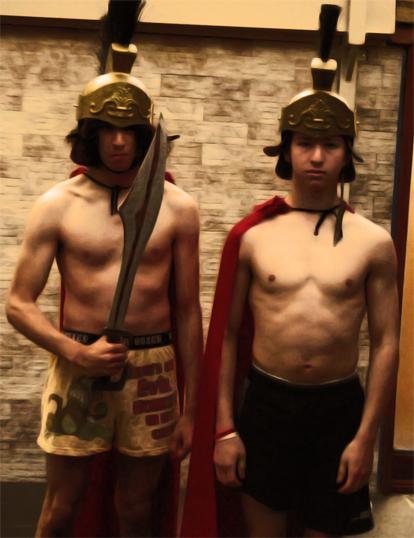
My sister stumbled across this elegant photograph of a naval officer cadet in an Athens antique shop, and was immediately attracted by the unknown subject’s unusually piercing expression. The 17x12.5 cm presentation folder it comes in is equally elegant, with a fine resin cameo embedded in the front cover, surrounded by delicate art-nouveaux tracery in gold; the figure, an allegorical representation of art, represents a young woman holding a brush and palette.

Identified by his bold signature in white china ink, the photographer was Epaminondas Xanthopoulos, who maintained a studio in fashionable Ermou Street between 1903 and the mid-1930s. The son of Ioannis Xanthopoulos, a Constantinople photographer, he apparently studied in Vienna before settling in Athens at the turn of the century. Little else is known about him, including his dates of birth and death.

Though primarily a portrait artist, he seems like several of his colleagues to have at least once engaged in a modest form of war reportage; a photograph published in an illustrated magazine in 1914 and credited to him is captioned “The machine-gun section of the 8th Division”. This was almost certainly the legendary 8th Infantry, known as the Epirus Division, which participated in the capture of Ioannina in the First Balkan War and fought on the Macedonian front in the Great War. A long way from cameos, indeed. 

August 17, 2012

GOOGLE GREEK

Anybody interested in imagery of any kind must be aware of the possibilities inherent in Google's image search function. Unlike other, more focused search programs, it comes up with pleasingly random results, a kind of drunkard's walk through the world of iconography. What follow below are a few of the images which popped up when I searched under "Greek" a couple of weeks ago. Of course, they are no longer strictly speaking random, if only because I have weeded out a large number of hits associated with an American TV series about college kids or with a film called "Get Him to the Greek", neither of which I really wanted to know much more about. Food and civil commotion appear to be the most popular subjects at the moment.


June 14, 2012

ΑΠΑΝΤΗΣΗ ΣΤΗΝ ΑΝΑΚΟΙΝΩΣΗ ΤΟΥ ΜΟΥΣΕΙΟΥ ΦΩΤΟΓΡΑΦΙΑΣ


Η ανακοίνωση του Μουσείου Φωτογραφίας Θεσσαλονίκης που κυκλοφόρησε σε άμεση αντίδραση της επιστολής διαμαρτυρίας 21 διακεκριμένων φωτογράφων, δυστυχώς άφησε βασικά ερωτήματα αναπάντητα, ενώ παράλληλα προσπάθησε να καλύψει το όλο θέμα με νεφελώδεις γενικότητες. Όσον αφορά κατ’ αρχάς το θέμα της καταστρεπτικής πυρκαγιάς, παρακάμπτεται το γεγονός ότι η φωτογραφική συλλογή δεν έπρεπε καν να βρίσκεται στις αποθήκες Βεϊνόγλου (έναντι ποίου τιμήματος, άραγε;). Εφόσον δεν διέθετε αρκετούς αποθηκευτικούς χώρους το ΜΦΘ, θα μπορούσε να είχε γίνει χρήση των αποθηκών του εποπτεύοντος Κρατικού Μουσείου Σύγχρονης Τέχνης, ή ακόμα και του Μακεδονικού ΜΣΤ – χώροι κατά πολύ ασφαλέστεροι και σίγουρα οικονομικότεροι.

Παραμένει ανεξήγητη η ένοχη σιωπή 40 ημερών του ΜΦΘ, σιωπή η οποία βέβαια θα συνέχιζε αν δεν είχε εκβιάσει κάποια αντίδραση η επιστολή μας. Η άποψη ότι το μουσείο θα προβεί σε ενημέρωση και εξηγήσεις «μόλις ολοκληρωθεί το πόρισμα της πυροσβεστικής» είναι βέβαια αστεία, πόσω μάλλον σε μια χώρα όπου τα πορίσματα παραδοσιακά κάνουν μήνες να ολοκληρωθούν. Η εμπλοκή της πυροσβεστικής σε τίποτα δεν αναιρεί την ευθύνη του φορέα, ούτε και ενδιαφέρουν στο στάδιο αυτό τα αίτια της πυρκαγιάς: ξεκάθαρη υποχρέωση του ΜΦΘ ήταν (και παραμένει σήμερα) η άνευ χρονοτριβής ενημέρωση των ενδιαφερομένων.

Αυτό όμως που αποτελεί σαφέστατη απόπειρα παραπλάνησης του κοινού είναι τα περί επανασύστασης της συλλογής ευχολόγια, αρχής γενομένης από την υπερήφανη δήλωση πως «τα έργα αυτά βρίσκονται όλα καταλογογραφημένα σε χαμηλή ανάλυση με ακριβείς τεχνικές προδιαγραφές στα αρχεία του Μουσείου»· σίγουρα θα έπρεπε να γνωρίζουν ότι χαμηλής ανάλυσης ψηφιακά αρχεία δεν είναι κατάλληλα ούτε καν για την αναπαραγωγή ταχυδρομικών δελταρίων.

Ας είμαστε σαφείς: οι προψηφιακής εποχής φωτογραφίες είναι δύο ειδών, αφενός μοναδικές (όπως οι Polaroid) και αφετέρου όσες μπορούν να αναπαραχθούν από το πρωτότυπο αρνητικό. Οι μοναδικές βέβαια χάθηκαν ανεπιστρεπτί. Όσο για τις υπόλοιπες, το ΜΦΘ δυστυχώς (ή μάλλον, στην περίπτωση, ευτυχώς) δεν διαθέτει τα αρνητικά. Πιστεύουν πράγματι ο ιθύνοντες ότι πολλοί φωτογράφοι, εν όψει της βαθύτατα κλονισμένης αξιοπιστίας του ιδρύματος, θα του εμπιστευθούν τα πολύτιμα αρνητικά τους; Αλλά και να το κάνουν ορισμένοι, μόνο άτομα χωρίς την παραμικρή ευαισθησία για το φωτογραφικό μέσον θα υπέθεταν ποτέ ότι πρωτότυπα τυπώματα από τα χέρια των ίδιων των δημιουργών, σε χαρτιά που δεν υπάρχουν πια, θα μπορούσαν να αντικατασταθούν από ομοιογενοποιημένα αντίγραφα: θα ήταν σαν να αντικαθιστούσαμε πρωτότυπα γλυπτά με γύψινα εκμαγεία.

Μάλλον πλανάται πλάνην οικτρά το ΜΦΘ αν πιστεύει πράγματι ότι διεθνώς αναγνωρισμένοι ξένοι φωτογράφοι και εικαστικοί όπως οι Lyn Cohen, Edward Burtinsky και Simon Norfolk, πανάκριβα έργα των οποίων βρίσκονταν μεταξύ των απολεσθέντων, θα δεχθούν να τα αντικαταστήσουν, αν βέβαια ποτέ πληροφορηθούν τη μοίρα της δωρεάς τους. Τέλος, όσο αφορά τις στομφώδεις αναφορές στη συνδρομή ξένων φορέων, ας δούμε πρώτα αν οι φορείς αυτοί θα δεήσουν να ανταποκριθούν, και υπό ποιους όρους.

Ένα ακόμα ερώτημα παραμένει: στην Ελλάδα, τη χώρα του φιλότιμου και της υπευθυνότητας, τι παραπάνω από την οριστική απώλεια μεγάλου μέρους των συλλογών του πρέπει να συμβεί, προτού αισθανθεί την ανάγκη να παραιτηθεί ο υπεύθυνος ενός κρατικού μουσείου;

June 12, 2012

ΟΜΑΔΙΚΗ ΕΠΙΣΤΟΛΗ ΕΛΛΗΝΩΝ ΦΩΤΟΓΡΑΦΩΝ ΠΡΟΣ ΤΟ ΜΟΥΣΕΙΟ ΦΩΤΟΓΡΑΦΙΑΣ ΘΕΣΣΑΛΟΝΙΚΗΣ & ΤΟ ΥΠΟΥΡΓΕΙΟ ΠΟΛΙΤΙΣΜΟΥ


Περικλής Πηλείδης
Πρόεδρος Εφορείας Μουσείου Φωτογραφίας Θεσσαλονίκης
Μουσείο Φωτογραφίας Θεσσαλονίκης
Αποθήκη Α’
Λιμάνι Θεσσαλονίκης
11 Ιουνίου 2012

Kύριε Πρόεδρε,
 
Ήλθε πρόσφατα σε γνώση μας το γεγονός ότι τη νύχτα από 2-3 Μαΐου, 2012, εκδηλώθηκε πυρκαγιά στην αποθήκη της εταιρείας Ορφέας Βεϊνόγλου, στη Βιομηχανική Περιοχή Σίνδου, με αποτέλεσμα να καταστραφούν πάνω από 2.000 φωτογραφικά έργα της μόνιμης συλλογής του Μουσείου Φωτογραφίας Θεσσαλονίκης. Τα καταστραφέντα έργα, σύμφωνα με εξακριβωμένες πληροφορίες, αποτελούσαν σχεδόν το σύνολον της σύγχρονης συλλογής του Μουσείου (από το 1970 και εντεύθεν).
 
Ελάχιστοι από μας αντιληφθήκαμε την πολύ πρόσφατη και άνευ ημερομηνίας ανάρτηση στο ιστολόγιο του ΜΦΘ η οποία αναφέρει ξερά πως «μέρος της συλλογής φωτογραφικών έργων της σύγχρονης περιόδου υπέστη καταστροφή». Η σε βαθμό αφάνειας διακριτικότητα της ανακοίνωσης αυτής επ’ ουδενί δεν εκπληρεί την υποχρέωση του φορέα να επικοινωνήσει άμεσα με τους «έχοντες σχέση με τη συλλογή». Συγχρόνως, η αναφορά σε «αποκατάσταση της απώλειας» είναι παραπλανητική για τους μη γνωρίζοντες, αφού αφενός μισοκαμένες φωτογραφίες  δεν επισκευάζονται, και αφετέρου τα προ-ψηφιακής εποχής τυπώματα δεν είναι δυνατόν να αναπαραχθούν λόγο ελλείψεως των κατάλληλων υλικών.
 
Η απώλεια αυτή αποτελεί, όπως βέβαια αντιλαμβάνεστε, βαρύτατο πλήγμα τόσο για την ιστορία όσο και την τέχνη της σύγχρονης ελληνικής φωτογραφίας. Η μόνιμη συλλογή σύγχρονης φωτογραφίας του ιδρύματος που έχετε την τιμή να προεδρεύετε ήταν όχι μόνον μοναδική στη χώρα μας, αλλά και κυριολεκτικά αναντικατάστατη. Επιπλέον, η συλλογή αυτή συγκεντρώθηκε σχεδόν εξ ολοκλήρου χάρη στη γενναιοδωρία φωτογράφων οι οποίοι είτε δώρισαν έργα τους στο μουσείο, είτε τα παραχώρησαν έναντι καθαρά συμβολικού τιμήματος.

Με την ιδιότητα λοιπόν των δωρητών δημιουργών και έχοντας αδιαμφισβήτητο νομικό αλλά και ηθικό συμφέρον, οι κάτωθι υπογεγραμμένοι φωτογράφοι των οποίων τα έργα υπέστησαν μερική ή ολική καταστροφή, ερχόμαστε δια της παρούσης επιστολής να ζητήσουμε άμεσες εξηγήσεις για το πρωτοφανές αυτό γεγονός, και να ρωτήσουμε πως και γιατί το ΜΦΘ εμπιστεύθηκε την πολύτιμη αυτή συλλογή στις αποθήκες μεταφορέα, αντί να τηρήσει τις διεθνείς προδιαγραφές αρχειακής μουσειακής αποθήκευσης. Ερώτημα τίθεται επίσης όσον αφορά τη μοίρα των έργων σύγχρονων δημιουργών που φιλοξενούσε το ΜΦΘ χωρίς να αποτελούν μέρος της μόνιμης συλλογής. Τέλος, τόσο δωρητές όσο και δανειστές οφείλουν να ενημερωθούν άμεσα σχετικά με το ασφαλιστικό καθεστώς όλων των κατεστραμένων έργων.

Πέραν τούτου, διαμαρτυρόμεθα με τον πιο έντονο τρόπο διότι δεν σπεύσατε να γνωστοποιήσετε το γεγονός, όπως είχατε υποχρέωση, τόσο στον ευρύτερο φωτογραφικό χώρο όσο και, προπάντων, στους άμεσα ενδιαφερόμενους, μεταξύ των οποίων και οι υπογράφοντες. Η λακωνική ανακοίνωση της ιστοσελίδας σας ότι «μόλις υπάρξουν πορίσματα από τις αρμόδιες αρχές θα ακολουθήσει εκ νέου ανακοίνωση» επ’ ουδενί δεν θεωρούμε ότι καλύπτει τις αυτονόητες ευθύνες του ΜΦΘ απέναντι στους δωρητές αλλά και τους Έλληνες φορολογούμενους.
 
Δεδομένης της αδιαφάνειας και μυστικότητας που χαρακτήρισε τον μέχρις σήμερα χειρισμό της υπόθεσης αυτής, η παρούσα κοινοποιείται σε όλους τους εμπλεκόμενους και ελεγκτικούς φορείς του Μουσείου Φωτογραφίας Θεσσαλονίκης, καθώς και στον τύπο.

Μετά τιμής,
Γιάννης Σταθάτος 

Συνυπογράφουν:
Αλέξανδρος Αβραμίδης

Γιάγκος Αθανασόπουλος
Περικλής Αλκίδης 
Κωστής Αντωνιάδης  
Γιώργης Γερόλυμπος  
Άρις Γεωργίου  
Νάγια Γιακουμάκη
Γιώργος Δεπολλας
Γιάννης Δήμου
Όλγα Καλούση  
Γιώργος Κατσάγγελος
Σάββας Λαζαρίδης
Ελένη Μαλιγκούρα
Νατάσσα Μαρκίδου
Σωκράτης Μαυρομάτης
Περικλής Μπούτος
Νίκος Παναγιωτόπουλος
Στέφανος Πάσχος
Πηνελόπη Πετσίνη
Σίμος Σαλτιέλ

May 26, 2012

"WELL, HEY!": THE GELLO


In an uncompromising interview, IMF managing director Christine Lagarde insists it is payback time for Greece and makes it clear that the IMF has no intention of softening the terms of the country's austerity package. So when she studies the Greek balance sheet and demands measures she knows may mean women won't have access to a midwife when they give birth, and patients won't get life-saving drugs, and the elderly will die alone for lack of care – does she block all of that out and just look at the sums? "No, I think more of the little kids from a school in a little village in Niger who get teaching two hours a day, sharing one chair for three of them, and who are very keen to get an education. I have them in my mind all the time. Because I think they need even more help than the people in Athens." She breaks off for a pointedly meaningful pause. It sounds as if she's essentially saying to the Greeks and others in Europe, you've had a nice time and now it's payback time. "That's right." She nods calmly. "Yeah." And what about their children, who can't conceivably be held responsible? "Well, hey, parents are responsible, right? So parents have to pay their tax."

    The Guardian, 26/5/12

"In the myth and folklore of the Near East and Europe, Gello (also Gyllou, Gylou, Gillo, etc) is one of the many names for a female demon or revenant who threatens the reproductive cycle by causing infertility, spontaneous abortion, and infant mortality. Michael Psellos says that Gello also killed pregnant women and their fetuses. Thus Gello in general blocked the cycle of reproduction. John of Damascus, in the treatise Peri strygnôn, records a belief among the "common people," still current in his day, that ghosts called gelloudes or striges flew nocturnally, slipped into houses even when the windows and doors were barred, and strangled sleeping infants. The 14th-century Greek ecclesiastical historian Nikephoros Kallistos Xanthopoulos said gelloudes "bring the infant from the bedroom, as if about to devour him.” Leo Allatios explicitly cross-identifies striges and gelloudes, recasting the demonic or revenant gello of Eastern tradition as the witch of Western Europe."
 Source: Wikipedia


Η ΓΕΛΛΩ


Σε ερώτησή μου για το αν μπορεί να βγάλει από το μυαλό της το γεγονός ότι απαιτεί μέτρα που σημαίνουν πως οι γυναίκες δεν θα έχουν πρόσβαση σε μαία όταν πρόκειται να γεννήσουν, πως οι ηλικιωμένοι θα πεθάνουν αβοήθητοι και πως τα παιδιά δεν θα έχουν πρόσβαση σε φαρμακευτική περίθαλψη, η γενική διευθύντρια του ΔΝΤ Κριστίν Λαγκάρντ απαντά: «Μην περιμένετε καμία συμπάθεια, ήρθε η ώρα να πληρώσετε τους φόρους σας». Ακούγεται σαν κατά βάθος να διαμηνύει στους Έλληνες, αλλά και τους υπόλοιπους Ευρωπαίους, πως καλά περάσαν μέχρι εδώ, τώρα ήλθε η ώρα της πληρωμής. «Έτσι είναι», απαντάει με νηφαλιότητα. «Έτσι ακριβώς». Και τι θα γίνει, ρωτάω, με τα παιδιά που σίγουρα δεν φταίνε σε τίποτα; «Άκου να δεις, φταίνε οι γονείς, σωστά; Ας πλήρωναν τους φόρους τους...». 
 (Συνέντευξη στην εφημερίδα The Guardian, 26/5/12)

«Πολλά από τα θύματα των νεράιδων ήταν λεχώνες, που για τον ένα ή τον άλλο λόγο παρέβησαν τις επιβεβλημένες απαγορεύσεις. Τα μωρά, ειδικά τα νεογέννητα, ήταν επίσης εκτεθειμένα σε κάθε κίνδυνο. Η Γελλώ της αρχαίας ελληνικής παράδοσης που έπνιγε τα παιδιά επέζησε σε πολλά μέρη της νεότερης Ελλάδας με τη μορφή της νεράιδας και άλλων κακοποιών πνευμάτων που απειλούν το παιδί τις πρώτες σαράντα μέρες μετά τη γέννησή του. Στα Κύθηρα η μάνα αποφεύγει να αφήνει τα σπάργανα του παιδιού έξω τη νύχτα και, ειδικά αν είναι αβάπτιστο, δεν το αφήνει ποτέ μόνο του. Οι νεράιδες ζηλεύουν τα μωρά και, αν δεν τα προσέξει η μάνα τους,  τ’αρπάζουν ή τα αρρωσταίνουν, τα κιτρινίζουν και τα μαραζώνουν. Γνωρίζουν το μυστικό της ευρωστίας των παιδιών, το οποίο κρατούν κρυφό απ’ τις μανάδες από ζήλια...»
(Δέσποινα Μ. Δαμιανού, Λαϊκές αφηγήσεις: Μύθοι & παραμύθια των Κυθήρων, Αθήνα 2005)

February 11, 2012

JUST SAYING...


As somebody has pointed out, the so-called Greek bailout is not a bailout of Greece, it's a bailout of foreign banks. Mostly German and French banks.

This pie chart is illuminating. I found it on a site called ZeroHedge, whose strapline is “on a long enough timeline, the survival rate for everyone drops to zero”.

January 28, 2012

PICTURING WAR


The line between photographs and digitised imagery has been getting increasingly blurred for some time now, and the demise (to all practical purpose) of analog photography simply hastened the process; once the initial stage in the creation of an image depends upon the ordering of digitised pixels, it becomes very difficult if not impossible to draw an arbitrary distinction between pixels produced by different methods. Photographs taken with a digital camera are now routinely processed through Photoshop – not, usually, with the intention to deceive, but just because the kind of ‘tidying up’ that used to be done in the darkroom, laboriously and not always skilfully, can now be done in seconds on the screen. At the same time, some photographers have long combined ‘real’ and entirely invented imagery, producing what to even the most expert eye appear to be ‘normal’ photographic prints; the practice is so common in the world of art photography as to hardly be worth remarking on.

Manipulated photographic images of the kind to be seen in galleries and museums are nevertheless still complicated to produce, requiring, perversely enough, a fair amount of skill and manual dexterity. What is disconcerting, on the other hand, is the facility with which certain highly sophisticated kinds of software can now produce entirely virtual imagery which is getting very close to the real thing. That software is routinely found running computer games.

Of the two images, above, the first one is a photograph taken by John Cantlie of snipers from 2/12 Infantry Division looking for insurgents in the Pech Valley, Afghanistan; the one beneath it was produced by computer game Arma 2. How long would it take the average viewer to tell which is the real image? Could he, in fact, do so? OK, once you study the computer-generated image, you start finding the give-away details: the odd knobbly protuberances on the second soldier’s hands, the overly square set of the nearer soldier’s shoulder and the not-quite-convincing stretching of the trouser material at his groin. But you have to look for them.  And on the other hand, note the convincing depth-of-field blurring of the background and the apparently accurate rendering of the plant in the left foreground. How long before the increasing sophistication of the software and the corresponding increase in the processing power of home computers levels the field completely? What price reportorial accuracy then?

These images were included, with other similar ones, in a recent online article by the BBC’s picture editor, Phil Coomes. In it, he refers to “a recent Ofcom ruling that ITV misled viewers by airing footage claimed to have been shot by the IRA. Labelled ‘IRA Film 1988’, it was described as film shot by the IRA of its members attempting to down a British Army helicopter in June 1988. However, the pictures were actually taken from a game called”, yes, Arma 2.

January 18, 2012

CHANGE 18.01.12

18 January 2012, 7.20 am

January 5, 2012

STREET PHOTOGRAPHY IN ATHENS UNDER THE OCCUPATION


The usual view of photography in Greece under the Axis occupation is that it was limited to clandestine or semi-clandestine activity. However, it seems as though at least into 1942, or as long as their stocks of film, paper and chemicals held out, Athens’ ubiquitous street photographers continued to ply their trade, apparently without overmuch interference.

These two examples, discarded by their owner, are small (8.5x6 cm uncropped), deckle-edged prints, of poor quality and in worse condition. External evidence suggests that they were taken in one of the older and poorer neighbourhoods of Athens (or possibly Piraeus). The first one is neatly captioned in ink on the back, “Souvenir of Childhood Memories. Stamatios, Evangelia, Alekos”, and is signed “A. Protopapas 1942”. The second bears a typewritten caption over a scrawled original in pencil: “Souvenir of Friendship / Presented to our friend Alexandros P. Protopapas. So that he will always remember us. / In Friendship / Your friends, Emmanouil Monas & Dionysios Goumas”, and is dated 1942 in ink.

The subjects in both photos look appropriately serious, but both the young boy in the foreground and the man sitting by the wall in the second image seem to be enjoying a laugh.

Η ΦΩΤΟΓΡΑΦΙΑ ΔΡΟΜΟΥ ΚΑΤΑ ΤΗΝ ΚΑΤΟΧΗ

Συνήθως εικάζεται ότι η φωτογράφιση κατά τη διάρκεια της Κατοχής ήταν ως επί το πλείστον λαθραία ή κρυφή δραστηριότητα. Φαίνεται όμως ότι τουλάχιστον μέχρι το 1942, ή για όσο διάστημα διέθεταν ακόμα τα απαραίτητα υλικά, οι πλανόδιοι φωτογράφοι των Αθηνών συνέχισαν να εργάζονται χωρίς μεγάλη δυσκολία.

Τα δύο αυτά δείγματα, παραπεταμένα από τον ιδιοκτήτη τους, είναι μικρά τυπώματα (8.5x6 εκ. στο πρωτότυπο), χαμηλής ποιότητας και σε κακή κατάσταση. Το πρώτο φέρει αφιέρωση με μελάνι στην πίσω πλευρά, «Ενθύμιον Παιδικών Αναμνήσεων. Σταμάτιος, Ευαγγελία, Αλέκος» καθώς και την υπογραφή «Α. Πρωτόπαπας 1942». Η δεύτερη φέρει δακτυλογραφημένη αφιέρωση: «Ενθύμιον Φιλλίας / Προς τον φίλλον μας Αλέξανδρον Π. Προτοπαπά. Δια να μας θυμάται πάντα. / Με Φιλλίαν / Οι Φίλλοι σου. / Εμμανουήλ Μονάς & Διονύσιος Γκούμας», και την χρονολογία 1942 με μελάνι.

Τα κεντρικά πρόσωπα και των δύο φωτογραφιών επιδεικνύουν την απαραίτητη για την εποχή σοβαροφάνεια, αλλά τόσο ο κύριος που κάθεται στη διπλανή καρέκλα όσο και το αγόρι στο πρώτο πλάνο της δεύτερης μοιάζουν να το διασκεδάζουν.

January 1, 2012

A STONE FOR THE NEW YEAR


“It is also the custom on New Year’s Day to bring a stone or sand into the house. The heaviness of the stone, the number of moss-patches on it, the number of grains in the sand, are all so many guarantees that the crops will be good during the coming year. Thus in the island of Lemnos, when visiting a neighbour or relative on New Year’s Day, one must bring a mossy stone into the house and throw it down saying: “May the purse of the master of the house grow as heavy as this stone.” All stones brought into the house by visiting friends and relations are gathered into a heap and thrown away after eight days. Sometimes the stone is so large that the guest has to carry it on his back; this is considered good luck for the master of the house.”

G. A. Megas, Greek Calendar Customs, Athens 1982, p.46

August 26, 2011

A VISUAL PRIMER OF THE WORLD

Primers and hornbooks, their ancestors, which reduce the complexity of the world to a simple catalogue of isolated and familiar objects (the cat, the ball), teach children their first letters. However, they have another role, less apparent but perhaps more crucial: they reveal for the first time the mysterious relationship between object and word, between the material and the abstract (the relationship which René Magritte simultaneously underlined and undermined when he painted a pipe and added a text saying “this is not a pipe”).

Primer illustrations, traditionally in the form of wood engravings and, later, of simple line drawings, are intended to reduce the pictured objects to their simplest lineaments, isolating them from the world: the cat and the ball are in a sense idealised, freed from the bonds of the quotidian and almost achieving the status of platonic archetypes. The primer’s mission is to reject every trace of ambiguity or ambivalence: things as things (res, qua res sunt).

Nevertheless, a photographic primer is in effect a contradiction in terms, since ambiguity is an essential quality of the photographic medium: the photograph always lies. And even when it doesn’t, it remains incapable of fending off the world’s encroachment into the picture space, defeating any attempt at an idealising isolation. And so, despite the apparent certainty of the written word,  the image constantly evades meaning: the Ladder merges with its shadow, the Surface flips between transparency and reflection, the humble Towel becomes a gonfalon gilded by the light, the Stairway turns into Jacob’s ladder. The world, says Thoreau, is far wider than we know…


 ΕΝΑ ΜΙΚΡΟ ΑΛΦΑΒΗΤΑΡΙ ΤΟΥ ΚΟΣΜΟΥ

Τα αλφαβητάρια, που περιορίζουν την πολυπλοκότητα του κόσμου σε έναν απλό κατάλογο μεμονωμένων και γνώριμων αντικειμένων (το τόπι, η γάτα) μαθαίνουν στα παιδιά τα πρώτα τους γράμματα. Έχουν όμως και έναν άλλο ρόλο, λιγότερο εμφανή αλλά ίσως σημαντικότερο: αποκαλύπτουν για πρώτη φορά τη μυστηριώδη σχέση αντικειμένου και λόγου, υλικού και ιδεατού (τη σχέση που υπογραμμίζει και υποσκάπτει συγχρόνως ο René Magritte, ζωγραφίζοντας μια πίπα και προσθέτοντας από κάτω τη φράση «αυτό δεν είναι πίπα»).

Η εικονογράφηση των αλφαβηταρίων, παραδοσιακά με ξυλογραφίες, αργότερα συνήθως με μονόχρωμα σχέδια, έχει σκοπό να απλουστεύσει στο έπακρων το εικονιζόμενο αντικείμενο, απομονώνοντας το όσο γίνεται περισσότερο από τον κόσμο: το τόπι και η γάτα παρουσιάζονται εξιδανικευμένα, σχεδόν πλατωνικά αρχέτυπα, απαλλαγμένα από τα πολυσύνθετα δεσμά της καθημερινότητας. Αποστολή του αλφαβηταρίου είναι η αποποίηση κάθε αμφισημίας ή αμφιβολίας: τα αντικείμενα ως αντικείμενα (res, qua res sunt).

Εντούτοις, ένα φωτογραφικό αλφαβητάρι αποτελεί ουσιαστικά αντιφατική πρόταση, αφού η αμφισημία είναι εγγενές χαρακτηριστικό του φωτογραφικού μέσου: η φωτογραφία πάντα ψεύδεται. Και όταν ακόμα δεν ψεύδεται, αδυνατεί να αποκλείσει τη βίαιη εισροή του κόσμου μέσα στον χώρο της εικόνας, εκμηδενίζοντας  κάθε προσπάθεια απομόνωσης ή εξιδανίκευσης. Έτσι λοιπόν η εικόνα, παρά την υποτιθέμενη αδιαφιλονίκητη σιγουριά που προσφέρει ο γραπτός λόγος (η «λεζάντα», τουτέστιν ο μύθος), συνεχώς υπεκφεύγει: η Σκάλα γίνεται η σκιά της, η Επιφάνεια παίζει ανάμεσα στο διαφανές και το αδιαφανές, η ταπεινή Πετσέτα είναι συγχρόνως φλάμπουρο στο φως, το Κλιμακοστάσιο γίνεται Κλίμακα του Ιακώβ. Ο κόσμος, λέει ο Thoreau, είναι πολύ ευρύτερος απ’ ότι φανταζόμαστε...

June 19, 2011

THE FROCK COAT AND THE FOUSTANELLA

Filippos Margaritis, General Christodoulos Hadjipetros, c.1855

Portrait photography from mid-19th century Greece is characterised by  an apparent chaos of dress codes and attitudes. At the pinnacle of society, King Otto and Queen Amalia both instituted a policy of cultural cross-dressing, actively encouraging the wearing of Greek national dress at court. A very early group photograph of the queen’s ladies-in-waiting includes the wives and daughters of Greek notables wearing the authentic local costumes of Psara, Spetses, Hydra and Epirus, as well as two German ladies in European court dress. The seated older woman and the young girl to her left are both wearing examples of an outfit designed for the Queen; based on the dress of Nafpaktos, it became known as the “Amalia” and was a favourite of fashionable ladies for as number of decades, eventually acquiring the status of authentic folk dress.

Unsurprisingly, the war of independence remained the defining event in the lives of those who lived through it. As such, it strongly affected how the participants (or would-be participants), saw themselves, and the kind of image they wanted to project. We can see this in the relatively large number of portraits from the 1850s and 1860s in which the more politically and socially successful of the war leaders are photographed in variants of the traditional Greek warrior’s costume, including the foustanella or pleated white kilt; they include the undisputed masterpiece of early Greek portraiture, Filipos Margaritis’ bravura depiction of General Christodopulos Hadjipetros. These are, of course, highly formalised versions of what the average klepht would have worn in the 1820s, to which they bear the same relationship as do the kilts and sporrans in Raeburn’s paintings to the plaids worn at Culloden; nevertheless, what such portraits testify to is the fact that these men, once powerful wartime leaders, were now equally influential members of the new order of things.

Inevitably, younger men, or men who perhaps had not fought at all, adopted the same style of self-representation, wearing the foustanella as a mark of national allegiance, or else because it had become, following the example of king Otto, the fashionable thing to be seen and photographed in; just as inevitably, the style did not necessarily flatter the more sedentary individuals. Finally, by the 1870s, what had been a visual signifier of courage and devotion to a national ideal was acquiring overtones of cliché, even of mockery.

Filippos Margaritis, Athenian Family Group, 1855-60
The future of Greece, it was becoming clear to all forward-looking men, lay with Western Europe, and the ruling class conformed within a single generation. We can see the process at work in a wonderfully evocative family group by Margaritis, which shows the grizzled paterfamilias in full evzone regalia, including decorations, and ranged behind him his three sons. They are not merely wearing western dress, but three distinct variants of it: on the left, a clean-shaven bohemian lounger in checked pants, three fingers thrust provocatively in his trouser pocket; in the middle, the full-bearded son in sober, buttoned-up black who is clearly destined for the role of hardworking family provider; and on the right, the highly unreliable-looking boulevardier, complete with waxed moustache and cane. Add to the mixture a formidable battle-axe of a wife and a clearly discontented daughter, and you have the cast of a peculiarly cynical play by Moliére.
Both prints are in the collection of the National Gallery, Athens.

June 14, 2011

TRAVELLER'S REST


Patrick Leigh Fermor, ‘Paddy’ to his many friends as well as to the numerous readers for whom he became an admired and much-loved figure, died on June 10th at the age of 96. He had fallen gravely ill in Greece towards the middle of May; when the end became inevitable, he asked to be flown back to England, arriving with less than a day in hand.

Paddy was loved as much for himself as for his writing, not only in England and Greece, his adopted second country, but seemingly also everywhere in the world his books had penetrated. It is almost impossible to think of an equivalent public figure of whom it could be said that throughout a long life lived at high physical and intellectual intensity, he showed true malice towards none, encountering little if any in return.

This delightful sketch of himself in Cretan dress was penned at the top of a letter to my mother dated 17th November, 1944; as he explains, "I have been lost again in a forest of whiskers for about three weeks, and my old mountain chums are down in the plains now, looking incredibly wild and shaggy". Ελαφρύ το χώμα που τον σκέπασε.

April 25, 2011

THREE WOMEN


Tentatively dated from around 1890, the three women in this cabinet portrait have been identified as Efrosini Venardos Chlentzos (1843-1935) and her daughters Kyrani and Maria, from the small village of Christoforianika on the island of Kythera. In 1869 Efrosini married Charalambos Chlentzos, an illiterate farmer and fisherman. Aged 18, he was eight years younger than her, something fairly unusual at the time; the birth of her first daughter, Kirani, shortly after the wedding may suggest an explanation. Charalambos was lost at sea sometime during the late 1870s, leaving Efrosini to bring up four children, two sons and two daughters, in extremely straightened circumstances; three of her children eventually emigrated to the United States, and it is to the descendants of Maria Chlentzos that we owe the survival of this photograph.

The portrait was taken in a professional studio, most likely in Piraeus or Athens, on the occasion of what must have been a very rare, perhaps even once-in-a-lifetime trip for a poor Kytherian family. Efrosini is in the unrelieved black of widow’s mourning which she will wear to the end of her own life, but it is her daughters’ dress which is at first sight puzzling: though both are in traditional costume, they are wearing not Kytherian outfits, but particularly elaborate versions of traditional Attic dress which it is certain they could never have afforded to own (see the print by Moraitis for comparison). The answer is that by the time this photograph was taken, it had become fashionable for middle and upper-class women to wear ‘traditional’ costume when being photographed; as the practice slowly percolated down the social ladder, studios took to keeping a number of outfits on the premises for clients to change into. Since it was obviously impossible to keep examples of the many regional costumes on hand, the Athenian studios at least were limited to the Amalia ensemble, the elegant variant of traditional dress devised under the Bavarian monarchy for the royal ladies-in-waiting, and the richly decorated formal Attic dress.

Though frozen in the immobility requested by the unknown photographer, each of the three women has a different expression. Efrosini’s mouth is set, and her face and hands show the effects of a hard life and unremitting labour; she clutches and twists a handkerchief (which perhaps the photographer has given her) in order to keep her hands occupied. Standing, Kyrani, the eldest child and the only one not to leave Kythera – as the eldest daughter, it would be her duty to stay at home – has her mother’s mouth; while it is not yet set in Efrosini’s bitter lines, she has an expression of resignation, though she was eventually to marry and see at least one her five children follow her brothers and sister to the States. Wide-eyed Maria, the youngest, is the only one of the three looking not at the camera, but past it and into the future.
With thanks to Terry Chlentzos and Vikki Fraioli

Petros Moraitis: Unknown woman in Attic dress (c.1880s)

April 18, 2011

CHANGE 20.03.11

20 March 2011, 11.15 am

March 25, 2011

MERE COMPILATIONS OF FACTS...

 Patrick Cariou, from Yes, Rasta
 A federal judge in Manhattan has ordered Richard Prince to destroy a series of artworks apparently worth several tens of millions of dollars. The work in question consisted of reproductions of photographs by the French photographer Patrick Cariou, lifted from his book Yes, Rasta and roughly and very minimally overpainted by Prince; according to the court, Prince and his gallery, Gagosian, were in clear breach of Cariou’s copyright. “He and the gallery”, reported the Guardian, “were found to have acted in bad faith by not asking permission to use Cariou's photographs or withdrawing them from sale when the photographer sent them notice”.

While I’m not usually a supporter of ongoing American attempts to increase and widen the scope of copyright in all directions, it’s impossible not to sympathise with Cariou in this case. Prince is a tedious artist who place is more in the discourse of art business than that of art. His value is effectively limited to providing a useful paradigm of the concept of appropriation (itself a concept of severely limited interest); once the point is made, which shouldn’t take more than a handful of seconds, the intellectual and artistic content of Price’s work has been exhausted.

The crassness of the defendants was reflected in the language of their legal representatives, who asserted that Cariou's photographs were "mere compilations of facts … arranged with minimum creativity … [and were] therefore not protectable" by copyright law. The defence, one which has been used with some success in the past, was based on the premise that the appropriated work, lacking all artistic merit of its own, had if anything been improved by Prince’s scribbles. As it happens, Cariou’s Rastafarian portraits (see above) are impressively skilled and powerful images, and it strikes me that the photographer could well have sued Prince, not so much for copyright infringement as for artistic vandalism.

March 16, 2011

ATHENS CONSIDERED AS THE SETTING FOR A COMPUTER GAME

 Stelios Efstathopoulos: Athens Within, 2011

The hottest subject for computer games these days is zombies. Blank-eyed, shuffling, homicidal, the living dead who pursue and are pursued by the player down the endless avenues, streets and alleys of anonymous city centres. City centres like the Omonia-Syntagma-Thiseion triangle, decaying heart of Athens and the subject of Stelios Efstathopoulos’ latest photographic sequence. Currently showing at the Hellenic American Union, Athens Within focuses on the area’s shifting population, but the real protagonist seems to be the disintegrating environment through which the former move or drift.

There is nothing remotely nostalgic about this dystopic view of Athens, dominated as it is by brutalist concrete architecture seen from the worst possible angle, namely from street level and close-up. Through narrow concrete and brick labyrinths, past the signs of a consumerist economy on its last legs, through drifts of rubbish, moves a population seemingly lost, drugged or at best, indifferent. There are few signs of either community or redemption: just two street people sharing a cigarette, a child absorbed in play, the stray dogs with their irrepressible jauntiness. Every available surface seems to have been defaced either by graffitied tags or the much vaster surfaces of graffiti “art”, though it is hard to tell which of these two forms of vandalism is the more aggressive and contemptuous of the social contract.

Greece has no very strong tradition of street photography in either the French (Cartier-Bresson) or the American (William Klein) style; the best examples we have tend either to the grotesque and sardonic, as do the street portraits of Periklis Alkidis, or to the surrealist quasi-abstraction of Nikos Panayotopoulos’ Common Imaginary Places. Efstathopoulos’ contribution, all the more welcome and surprising for going against the grain of most contemporary Greek photographic production, is an impressive addition to the genre. It is also, seen from the perspective of the current social and economic crisis in which Greece appear to inexorably mired, a saddening requiem to what was once a vibrant (if never particularly elegant) capital city centre, now reduced to the status of stage setting for a zombie hunt…
Athens Without can be seen at the Hellenic American Union, Massalias 22, to 5 April


Η ΑΘΗΝΑ ΕΙΔΩΜΕΝΗ ΩΣ ΣΚΗΝΙΚΟ ΨΗΦΙΑΚΟΥ ΠΑΙΧΝΙΔΙΟΥ

Το δημοφιλέστερο θέμα ψηφιακών παιχνιδιών σήμερα είναι τα ζόμπι: αιμοβόροι ζωντανοί νεκροί που σκουντουφλάνε στους ατελείωτους δρόμους ανώνυμων αστικών κέντρων, συγχρόνως κυνηγοί και θήραμα. Αστικά κέντρα σαν το τρίγωνο Ομόνοια-Σύνταγμα-Θησείο, σαθρή καρδιά της Αθήνας και θέμα της τελευταίας εργασίας του Στέλιου Ευσταθόπουλου. Η έκθεση Αθήνα εντός που παρουσιάζεται αυτές τις μέρες στην Ελληνοαμερικανική Ένωση εστιάζει στον εναλλασσόμενο πληθυσμό του τριγώνου, πραγματικός όμως πρωταγωνιστής μοιάζει να είναι το ίδιο το θρυμματισμένο περιβάλλον μέσα στο οποίο οι άνθρωποι κινούνται ή απλώς πλανώνται.

Η δυστοπική αυτή θεώρηση της Αθήνας δεν έχει φυσικά τίποτε το νοσταλγικό. Δεσπόζουσα οπτική είναι η σκληρή Μοντερνιστική αρχιτεκτονική, ιδωμένη από τη χειρότερη δυνατόν γωνία, από το επίπεδο δηλαδή του δρόμου και από κοντινή απόσταση. Μέσα σε στενούς τσιμεντένιους λαβυρίνθους, δίπλα στα σημάδια μιας εν διαλύσει καταναλωτικής κοινωνίας, πάνω από σωριασμένα σκουπίδια κινείται ένας πληθυσμός χαμένος, ναρκωμένος ή στην καλύτερη περίπτωση, αδιάφορος. Ελάχιστα βλέπουμε δείγματα κοινωνικότητας ή ελπίδας: μονάχα δύο άστεγοι που μοιράζονται τσιγάρο, ένα παιδί απορροφημένο στο παιχνίδι, τα αδέσποτα σκυλιά με την ασυγκράτητη ξενοιασιά τους. Κάθε επίπεδη επιφάνεια έχει μαγαριστεί είτε από μονογραφικά tags είτε από τα πολύ εκτενέστερα ‘καλλιτεχνικά’ δήθεν γκραφίτι - αν και δύσκολα θα μπορούσε κανείς να πει ποια από τις δύο αυτές μορφές βανδαλισμού εκφράζει μεγαλύτερη περιφρόνηση προς το κοινωνικό συμβόλαιο.

Η Ελλάδα δεν διαθέτει ισχυρή παράδοση φωτογραφίας δρόμου, είτε της Γαλλικής σχολής  (Cartier-Bresson) είτε της Αμερικάνικης  (William Klein)· τα καλύτερα παραδείγματα του είδους που έχουμε να επιδείξουμε τείνουν από τη μία στο γκροτέσκο και το σαρδόνιο, όπως τα πορτραίτα δρόμου του Περικλή Αλκίδη, και από την άλλη προς τον αφαιρετικό υπερρεαλισμό των Κοινών Φανταστικών Τόπων του Νίκου Παναγιωτόπουλου. Η πρόταση του Ευσταθόπουλου είναι ιδιαιτέρως ευπρόσδεκτη αλλά και αναπάντεχη, καθώς εναντιώνεται στις κυρίαρχες σήμερα φωτογραφικές τάσεις στην Ελλάδα. Παράλληλα, στο πλαίσιο της οικονομικής και κοινωνικής κρίσης στην οποία η χώρα βυθίζεται καθημερινά, αποτελεί θλιβερή ελεγεία για ένα άλλοτε σφύζων (αν όχι ιδιαιτέρως αρμονικό) αστικό κέντρο, που κατάντησε σκηνικό για άθλια ψηφιακά παιχνίδια...
Η έκθεση Αθήνα εντός θα είναι στην Ελληνοαμερικανική Ένωση, Μασσαλίας 22, μέχρι τις 5 Απριλίου.

February 20, 2011

CHANGE 19.02.11

19 February 2011, 7.00 pm

February 12, 2011

GREEK (HIS)TORIES THROUGH THE LENS

The conference on Greek photography and Greek history organised for June 2011 by the Department of Byzantine & Modern Greek studies at King's College, London, which I first mentioned in a post last April, has now been extended to last four days. According to the organisers, the conference "aims at exploring photographic depictions of Greece and Greeks from the 1840s to the present in an empirical, theoretical and comparative context. The themes of the conference will examine photographs as a historical source of information, as windows into the country’s past, as symbolic capital in collective narratives and propaganda wars and as testimonies that record the interests and concerns of photographers as of their animate subjects and their surroundings. This will be the first conference worldwide to capitalise on photographic depictions of Greece as a means to problematise its recent history and its iconic representation in international media. Emphasis will be laid on processes of circulating photographs and contexts of consuming them, on photographs as artefacts and on narrative discourses developed around visual materials, on photography as memory and counter-memory, and on the complex relation between photography and archaeology as a nation-building institution."

With a broad spectrum of speakers from Greece and abroad covering a number of different disciplines, this promises to be probably the most intensive and searching consideration of Greek photography to date. A full programme, including abstracts of all the papers to be presented, is available from the Centre for Hellenic Studies site. The conference organisers are Philip Carabott, Eleni Papargyriou and Charlotte Roueché.